



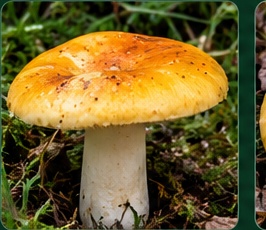
Golden Brittlegill
Russula aurea
Edible
★★★☆☆
Taste rating: 3 out of 5
How to identify it
Cap
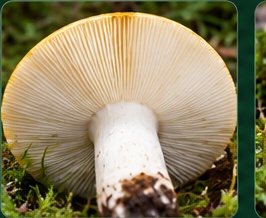
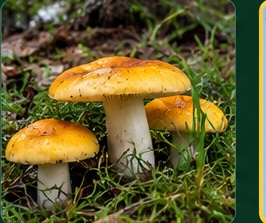
The cap is yellow to orange-yellow, sometimes with red tones in the centre. The surface is smooth and often becomes somewhat expanded.
Underside
The gills are white to cream-white and fairly dense.
Stem
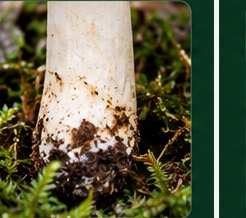
The stem is white to yellow-white and may have a faint yellowish tone.
Smell
Mild, pleasant smell.
Occurrence and habitat
It grows in deciduous and mixed woodland, often with beech, oak or other deciduous trees.
Look-alike species
These mushrooms can resemble Golden Brittlegill. Look closely at features, habitat and images to see the differences.
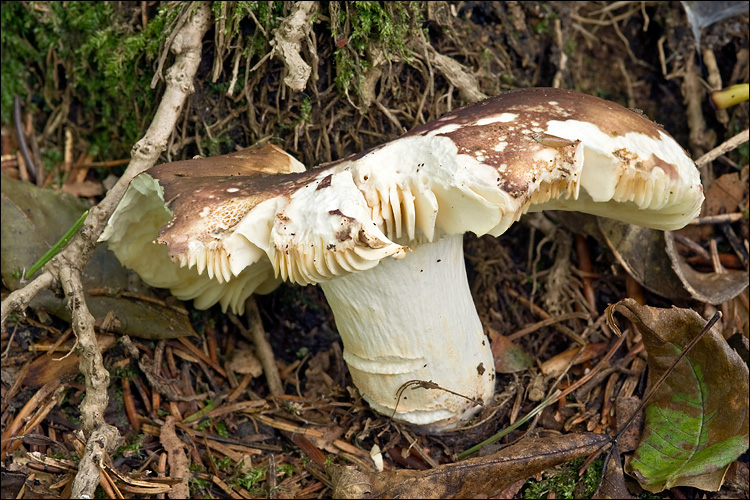
Almond brittlegill
Russula integra
★★★★★
Excellent edible mushroom
Compare the cap, underside, stem, smell and habitat for reliable identification.
Read more about Almond brittlegill ›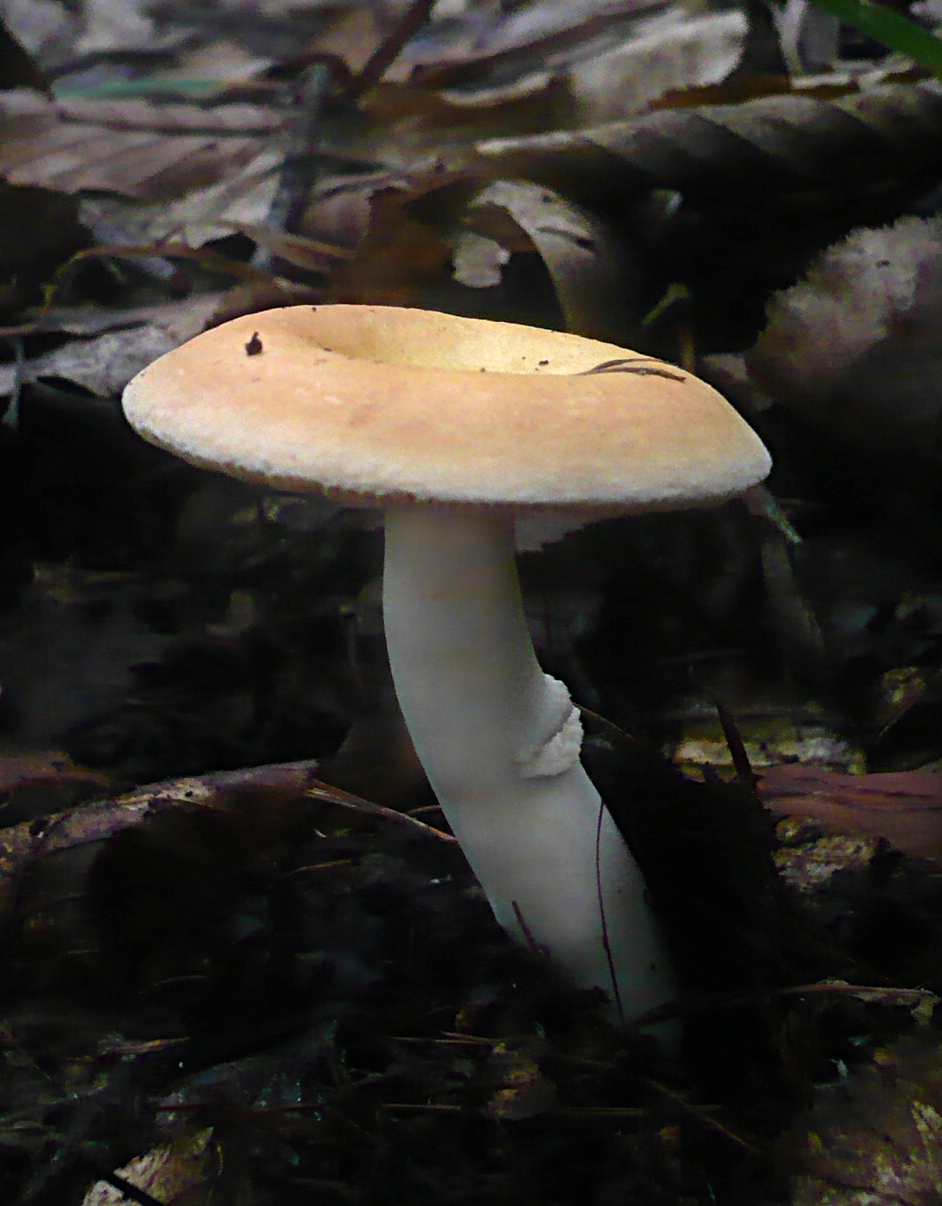
Apricot brittlegill
Russula risigallina
★★★★★
Good edible mushroom
Compare the cap, underside, stem, smell and habitat for reliable identification.
Read more about Apricot brittlegill ›Preparation
Cook thoroughly by frying, stewing or boiling. Young specimens have the best texture.
Recipe suggestions
Golden Brittlegill fried with butter, shallot and parsley.
Images – study the mushroom from several angles
Click an image to display it as the main image.
⚠ Important safety information
Brittlegills require certain identification. Assess cap, gills, stem, smell, taste test according to established mushroom methodology and habitat together; do not eat uncertainly identified brittlegills.
Brittlegills require certain identification. Assess cap, gills, stem, smell, taste test according to established mushroom methodology and habitat together; do not eat uncertainly identified brittlegills.
Facts and sources
Sources
Svampguiden; SLU Artdatabanken/Artfakta
Svampguiden; SLU Artdatabanken/Artfakta
Checked batch 10 – factual text compiled against