



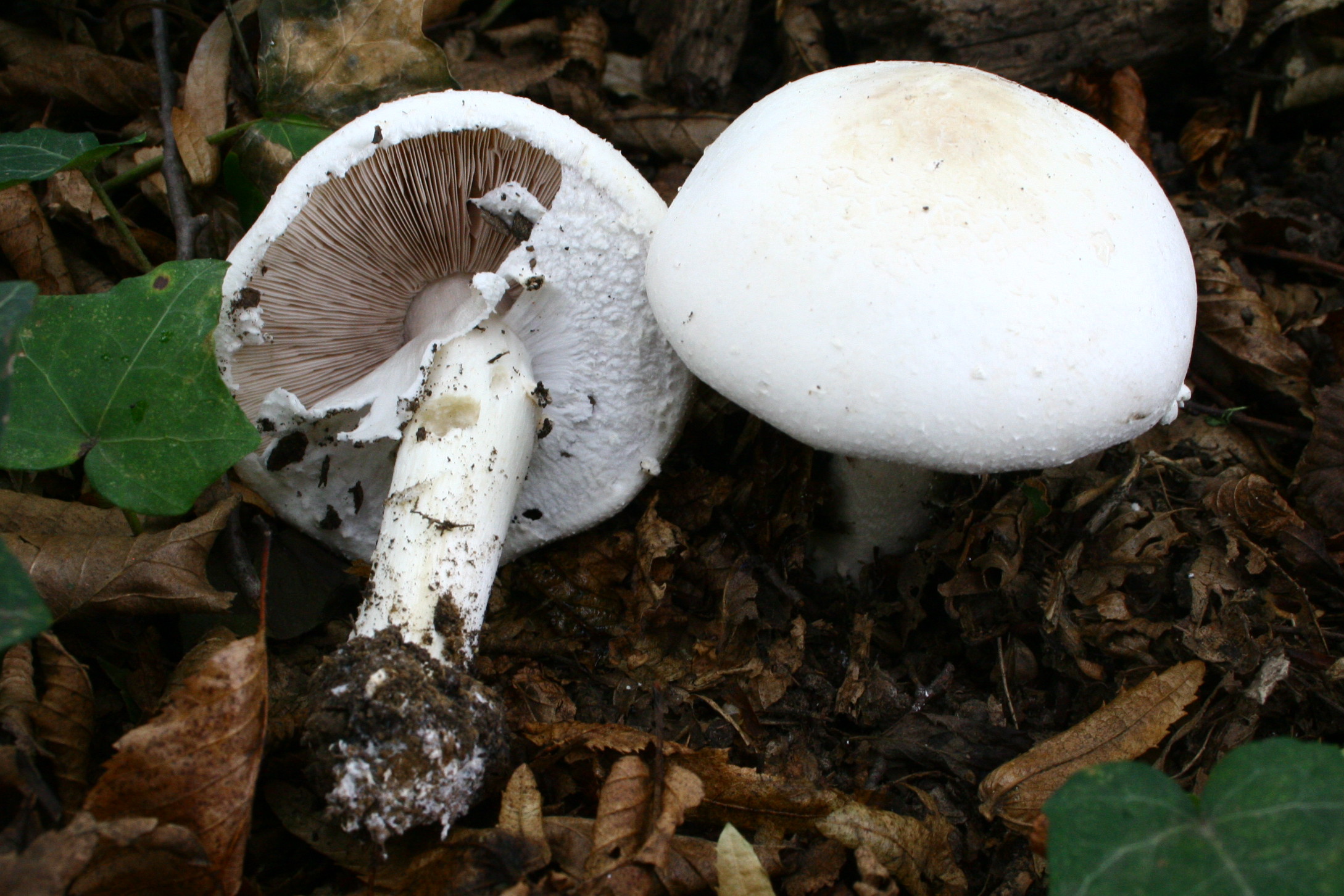
Woodland Agaricus
Agaricus sylvaticus
Edible
★★★★☆
Taste rating: 4 out of 5
How to identify it
Cap
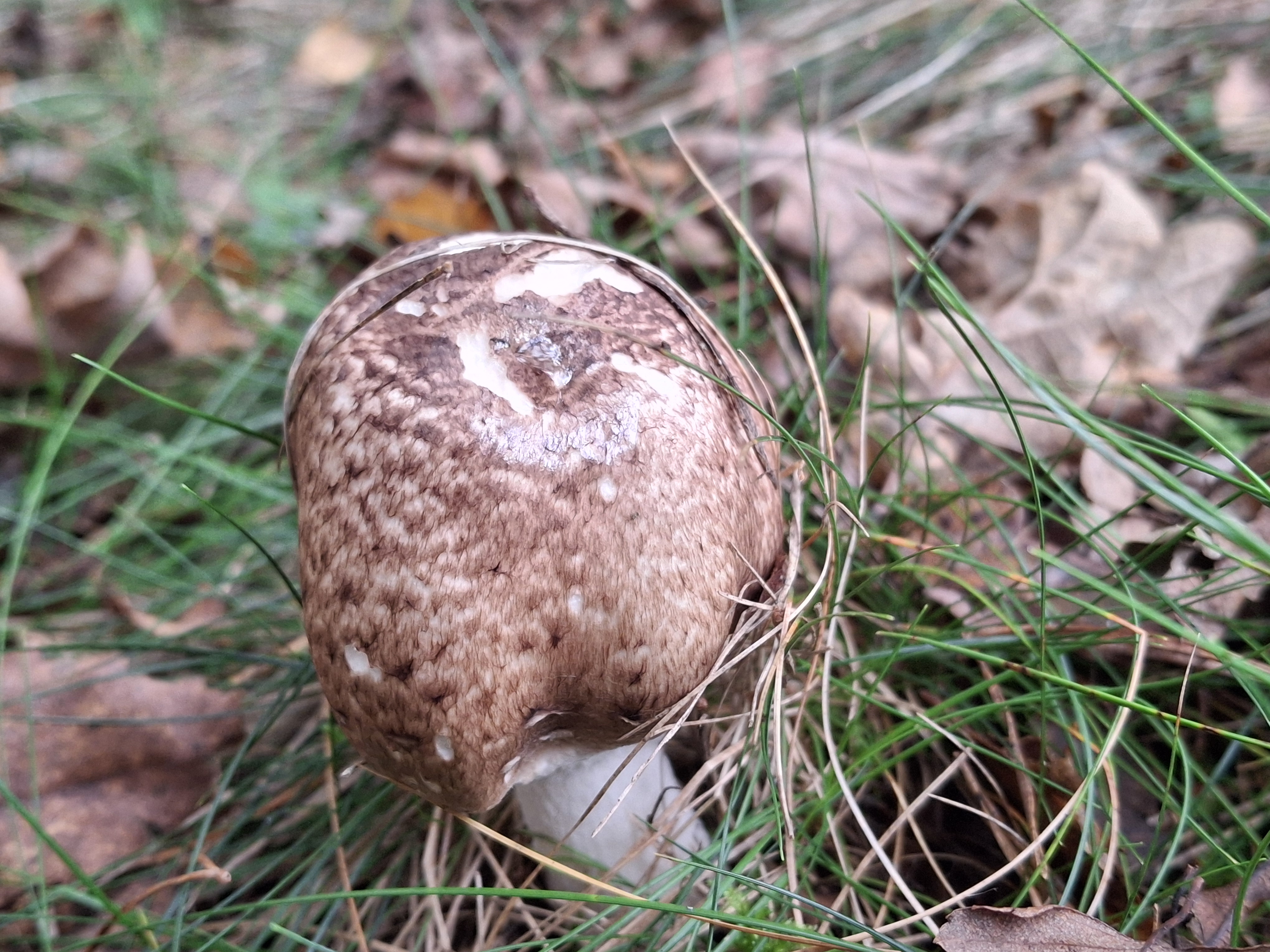
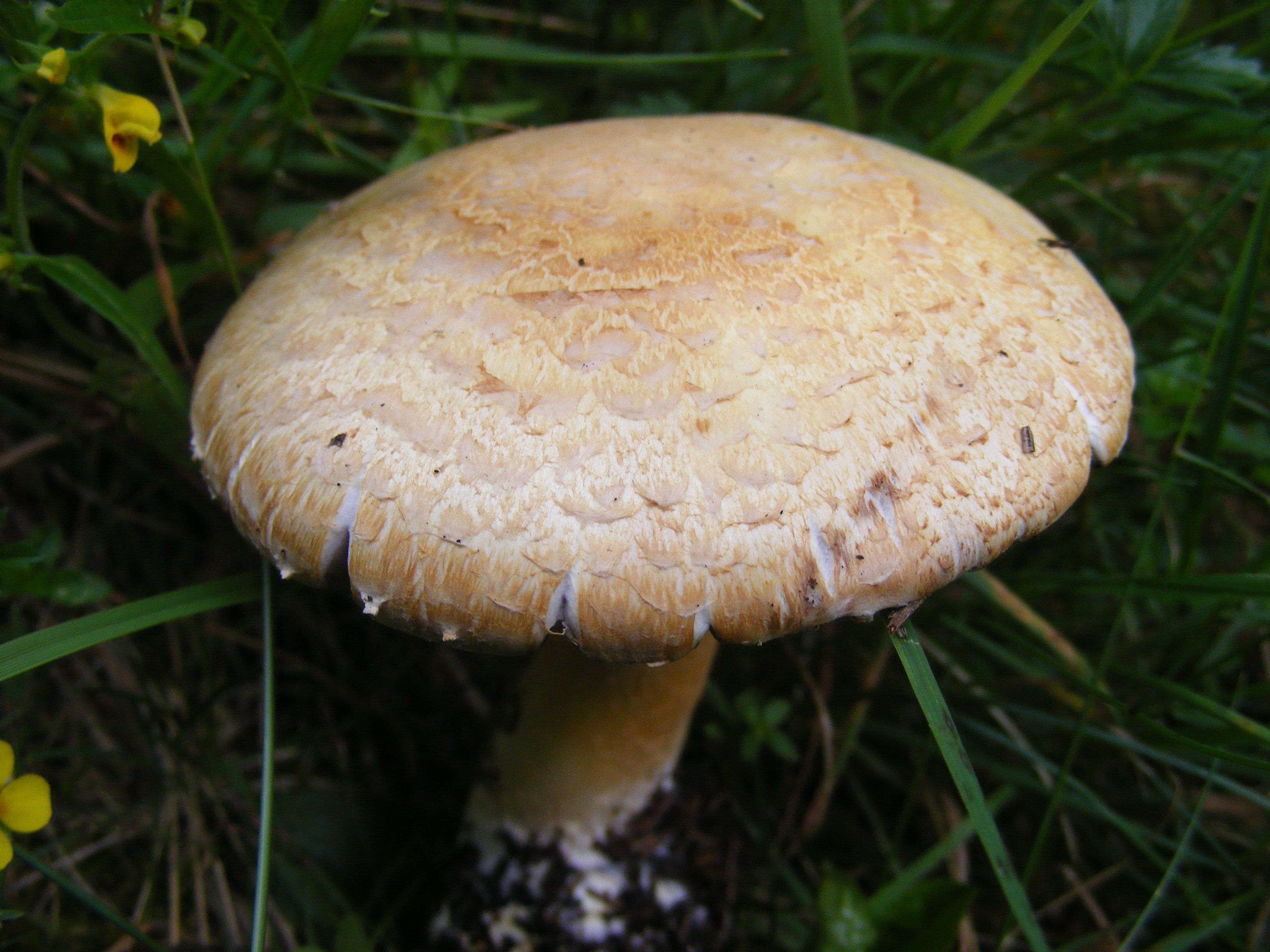
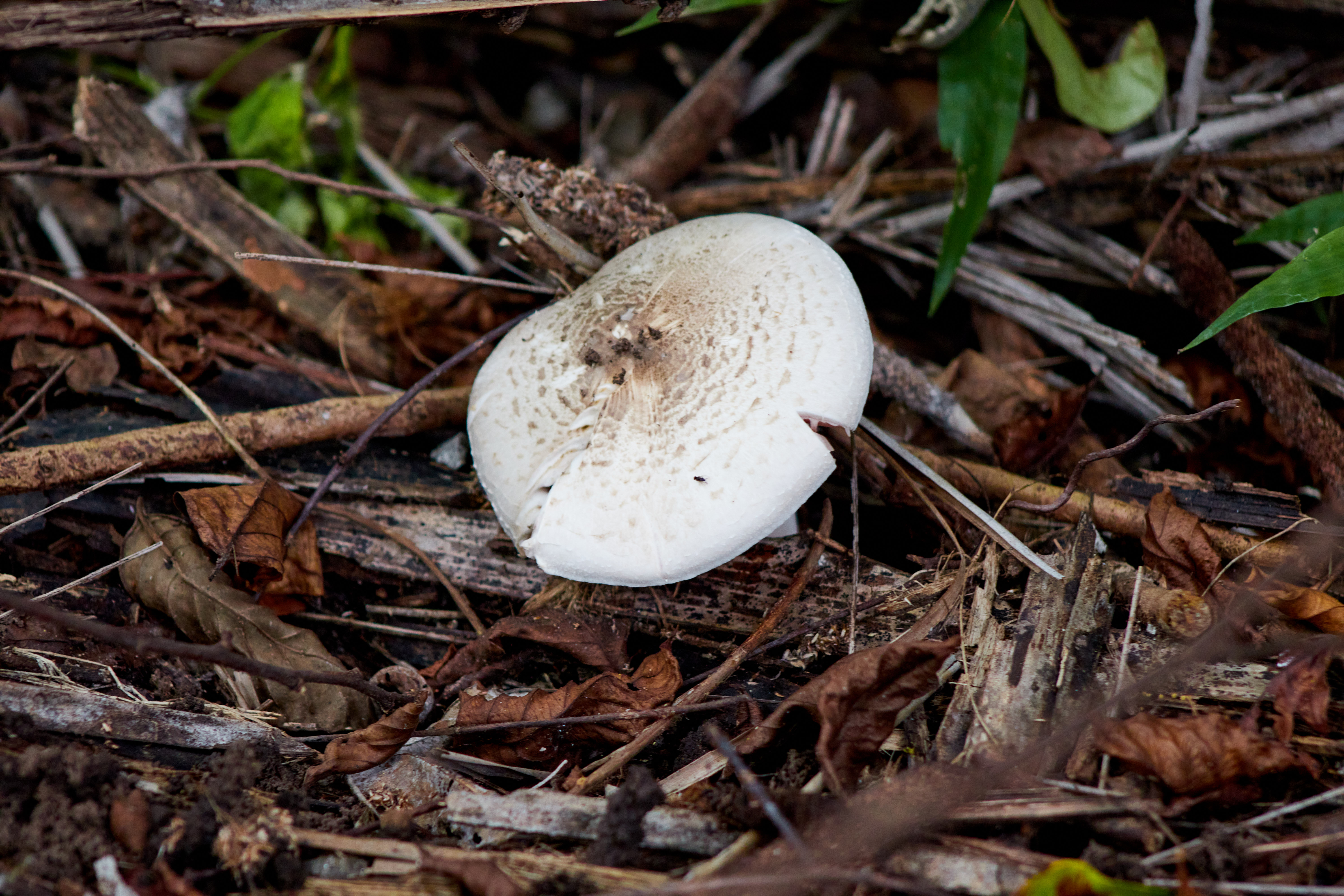
The cap is brownish to grey-brown and often scaly, convex at first and later expanded. The flesh may redden when cut or pressed.
Underside
The gills are pale pink at first, then pink, and finally chocolate-brown as the spores mature.
Stem
The stem is whitish with a distinct ring. The base may be slightly club-shaped.
Smell
Mild, pleasant mushroom smell.
Occurrence and habitat
Grows on the ground in deciduous and coniferous woodland, often at woodland edges, in clearings and on humus-rich soil.
Look-alike species
These mushrooms can resemble Woodland Agaricus. Look closely at features, habitat and images to see the differences.
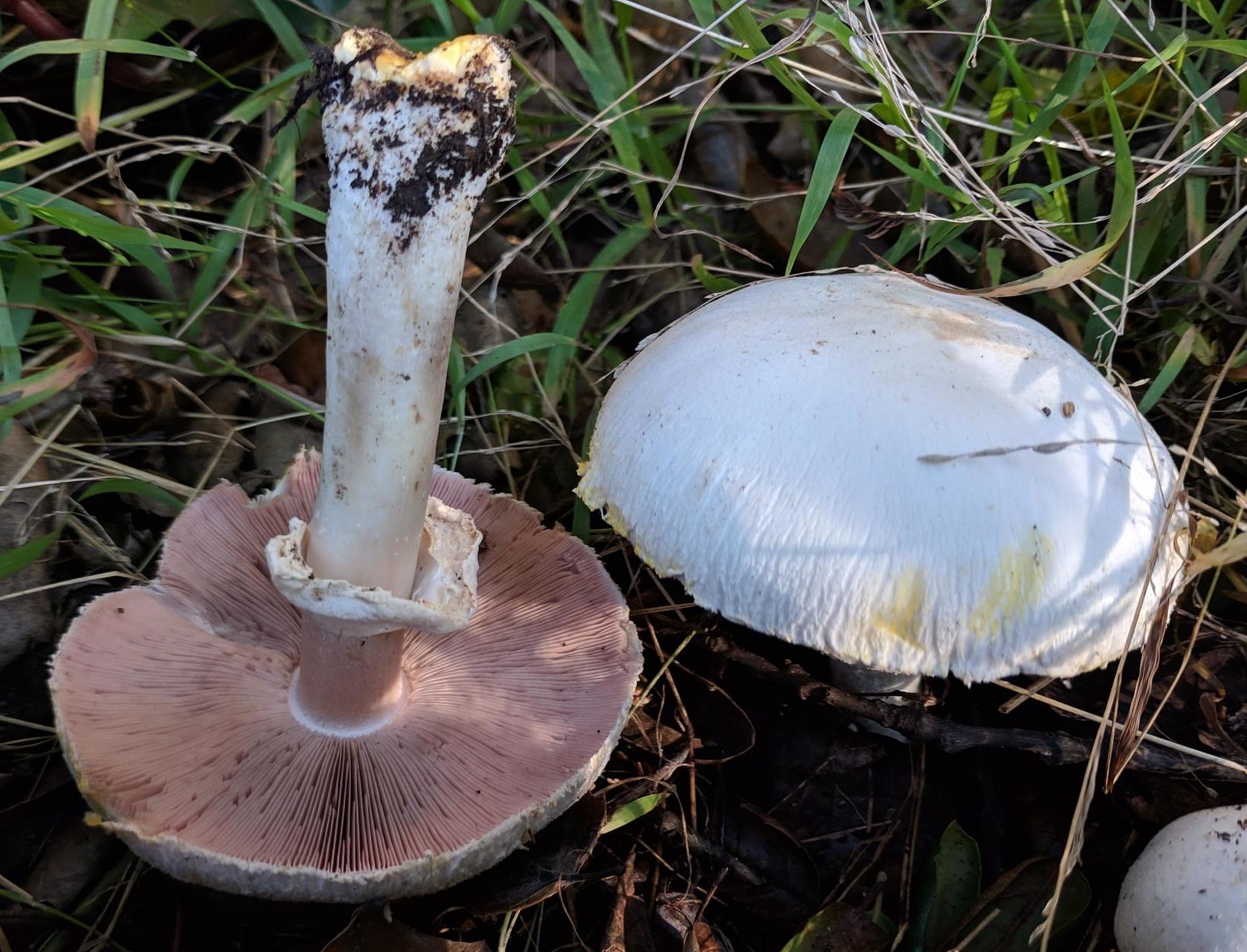
Yellow-staining mushroom
Agaricus xanthodermus
Poisonous
The yellow-staining mushroom can resemble edible mushrooms but usually yellows when pressed and has a distinctly unpleasant phenolic smell.
Read more about Yellow-staining mushroom ›Preparation
Clean thoroughly and cut away the dirty stem base. Fry thoroughly. Young specimens are suitable for frying, sauces and stews.
Recipe suggestions
Woodland Agaricus in cream sauce: fry sliced mushrooms and shallots in butter. Add cream, black pepper and parsley. Serve with potatoes.
Images – study the mushroom from several angles
Click an image to display it as the main image.
⚠ Important safety information
Agaricus species must be reliably identified. Always check gill colour, ring, smell and habitat. Do not eat a wild Agaricus if identification is uncertain.
Agaricus species must be reliably identified. Always check gill colour, ring, smell and habitat. Do not eat a wild Agaricus if identification is uncertain.
Facts and sources
Sources
Svampguiden; SLU Artdatabanken/Artfakta.
Svampguiden; SLU Artdatabanken/Artfakta.
Batch 12 supplemented – should be finally checked against current