



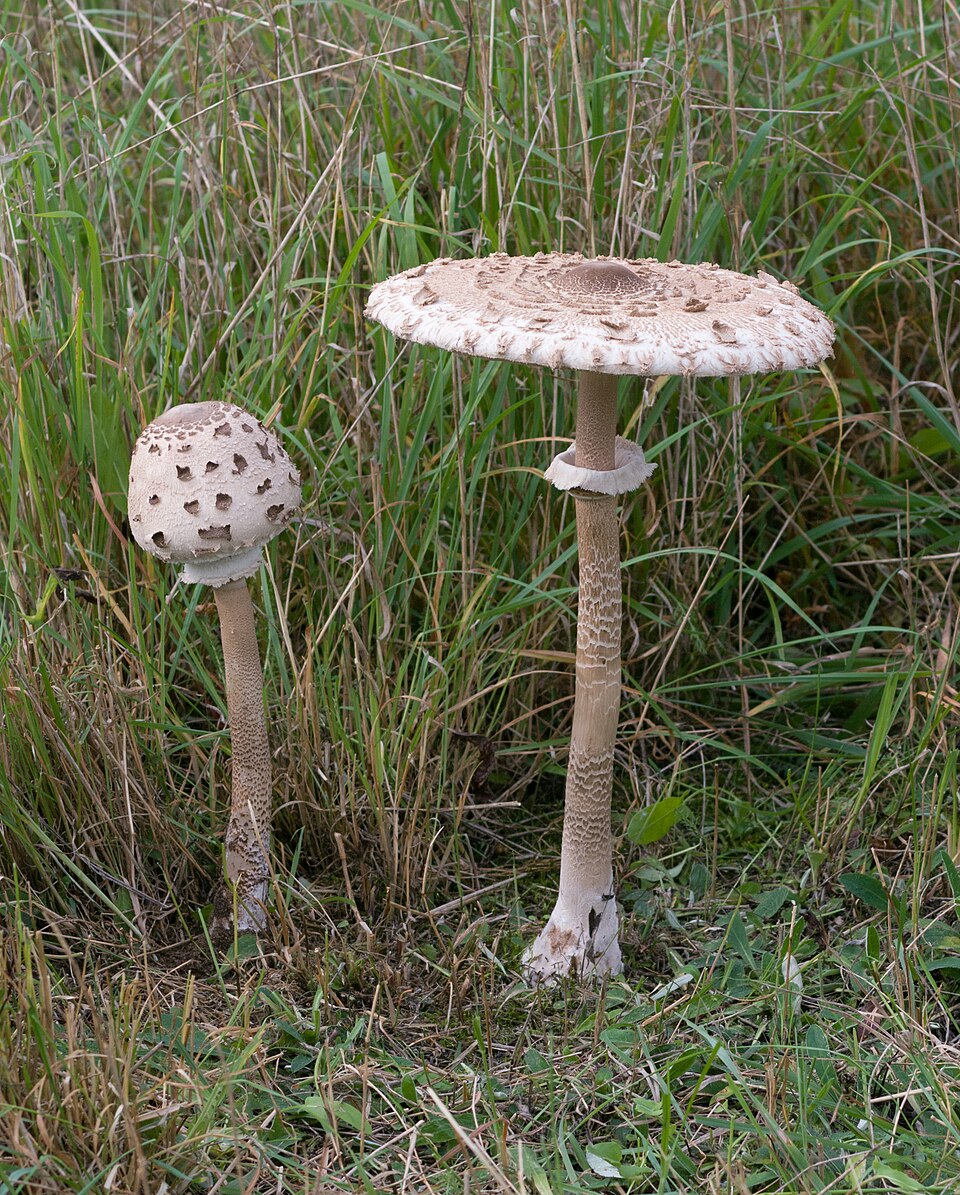
Shaggy Parasol
Macrolepiota excoriata
Edible
★★☆☆☆
Taste rating: 2 out of 5
How to identify it
Cap
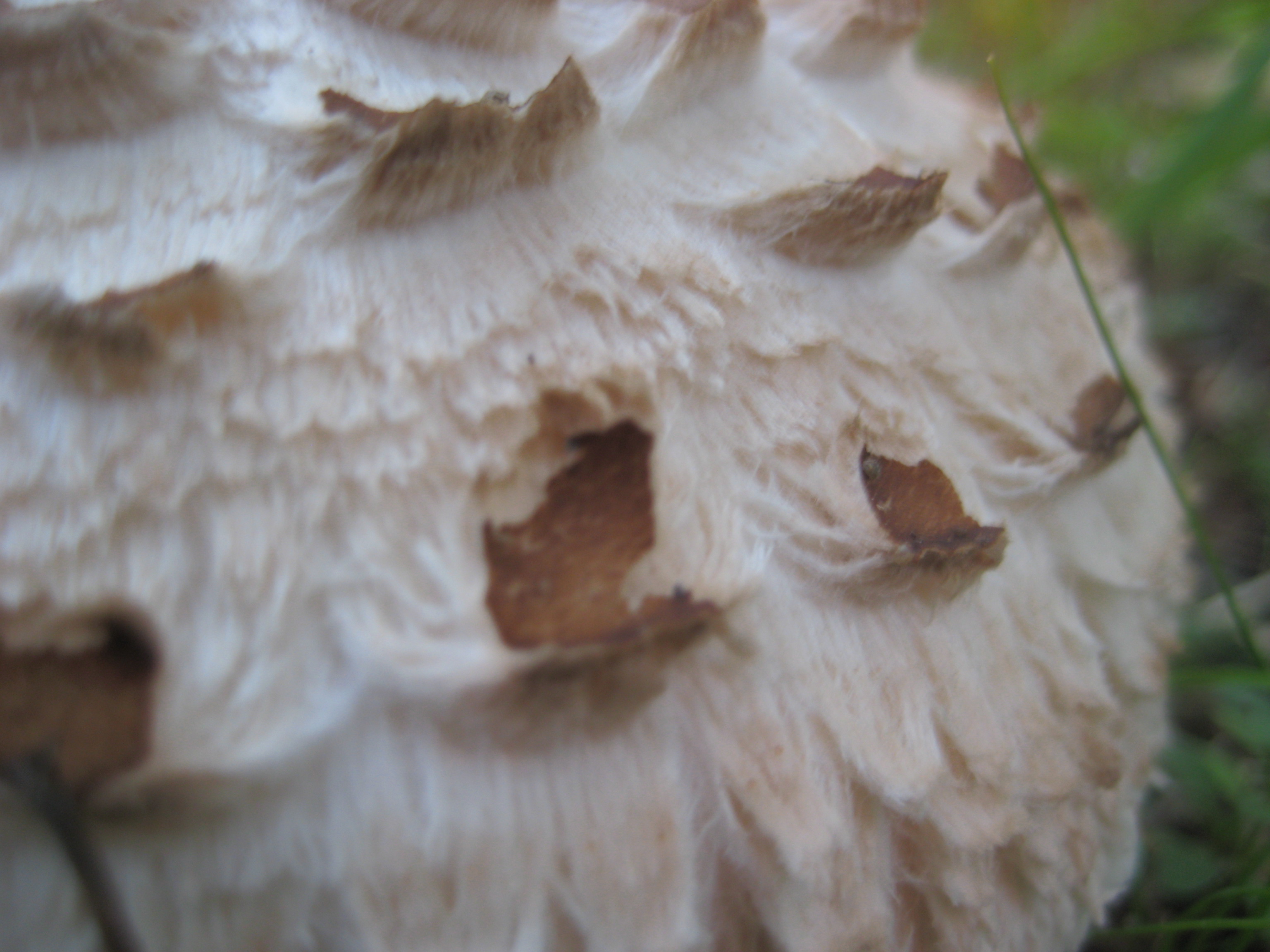
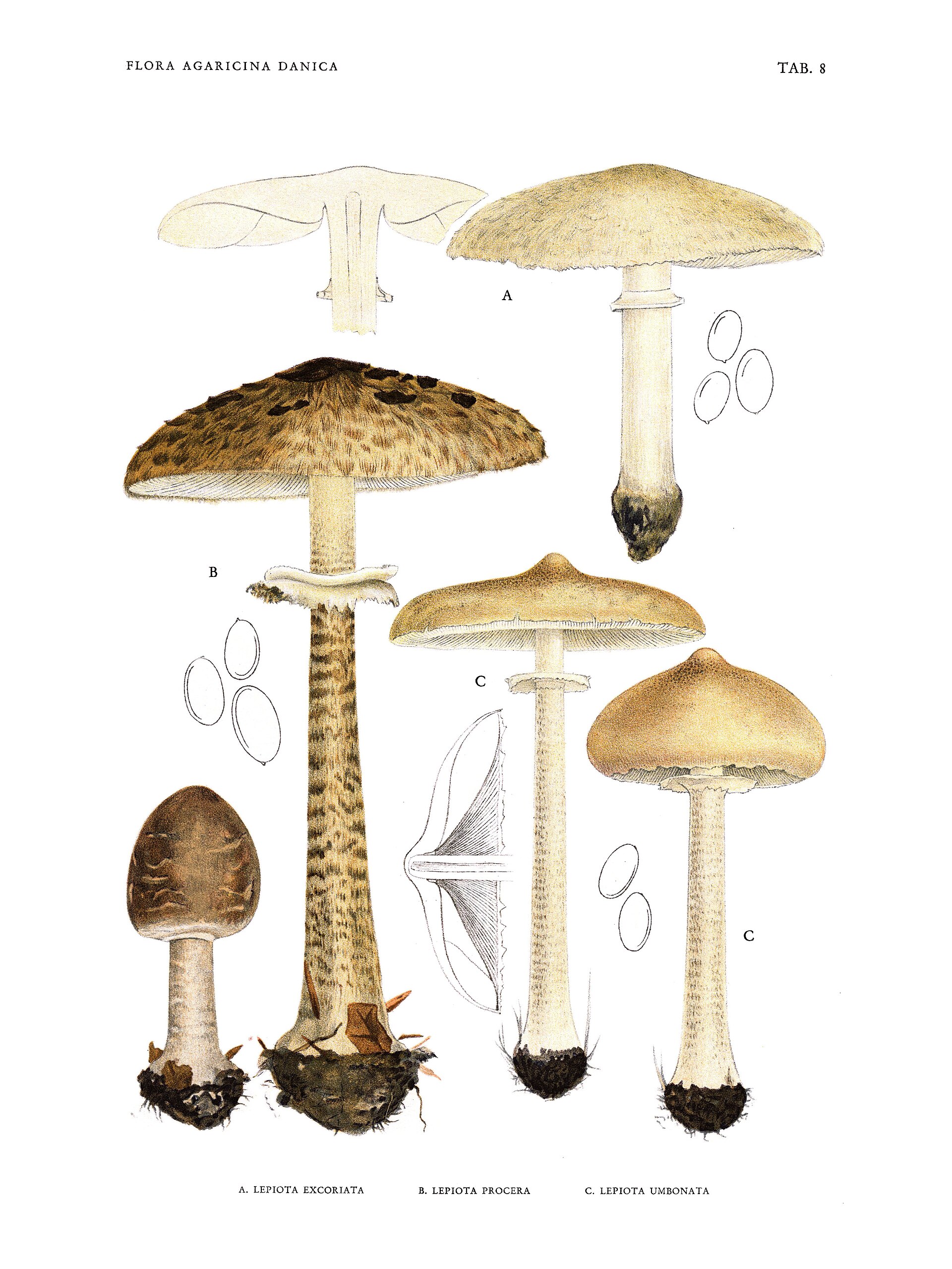
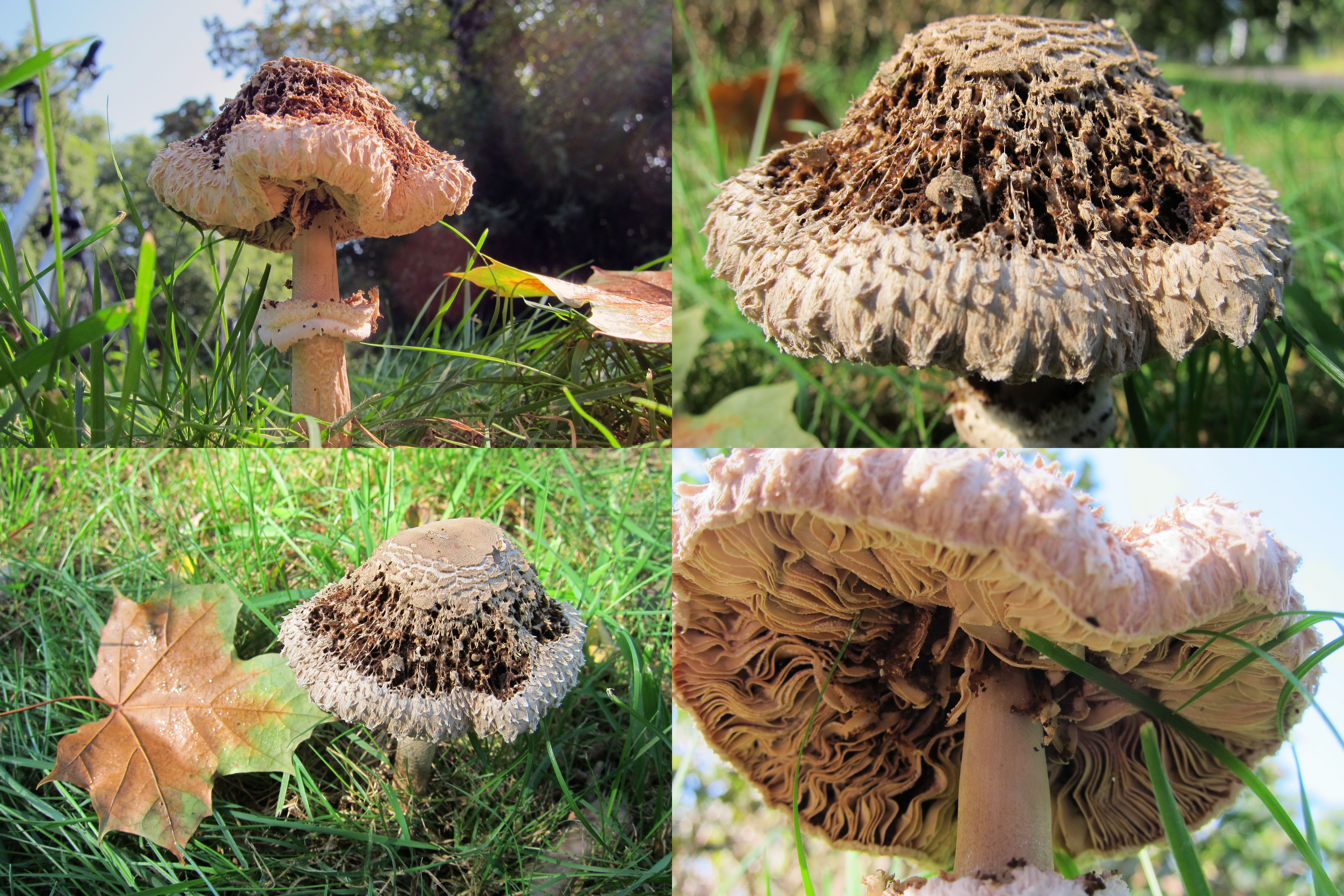
The cap is light brown to beige with a scaly central area. The outer part is often relatively smooth and may split.
Underside
The gills are white, dense and free from the stem.
Stem
The stem is long, slender and whitish with a ring. The base is not distinctly bulbous as in some related parasol mushrooms.
Smell
Mild, pleasant smell.
Occurrence and habitat
It grows in grassland, pasture, roadsides and open woodland habitats.
Look-alike species
These mushrooms can resemble Shaggy Parasol. Look closely at features, habitat and images to see the differences.
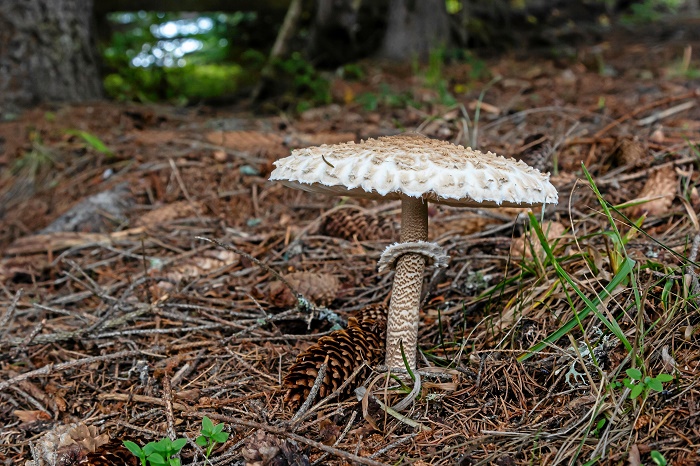
Parasol mushroom
Macrolepiota procera
★★★★★
Excellent edible mushroom
Compare several characteristics and always verify the identification.
Read more about Parasol mushroom ›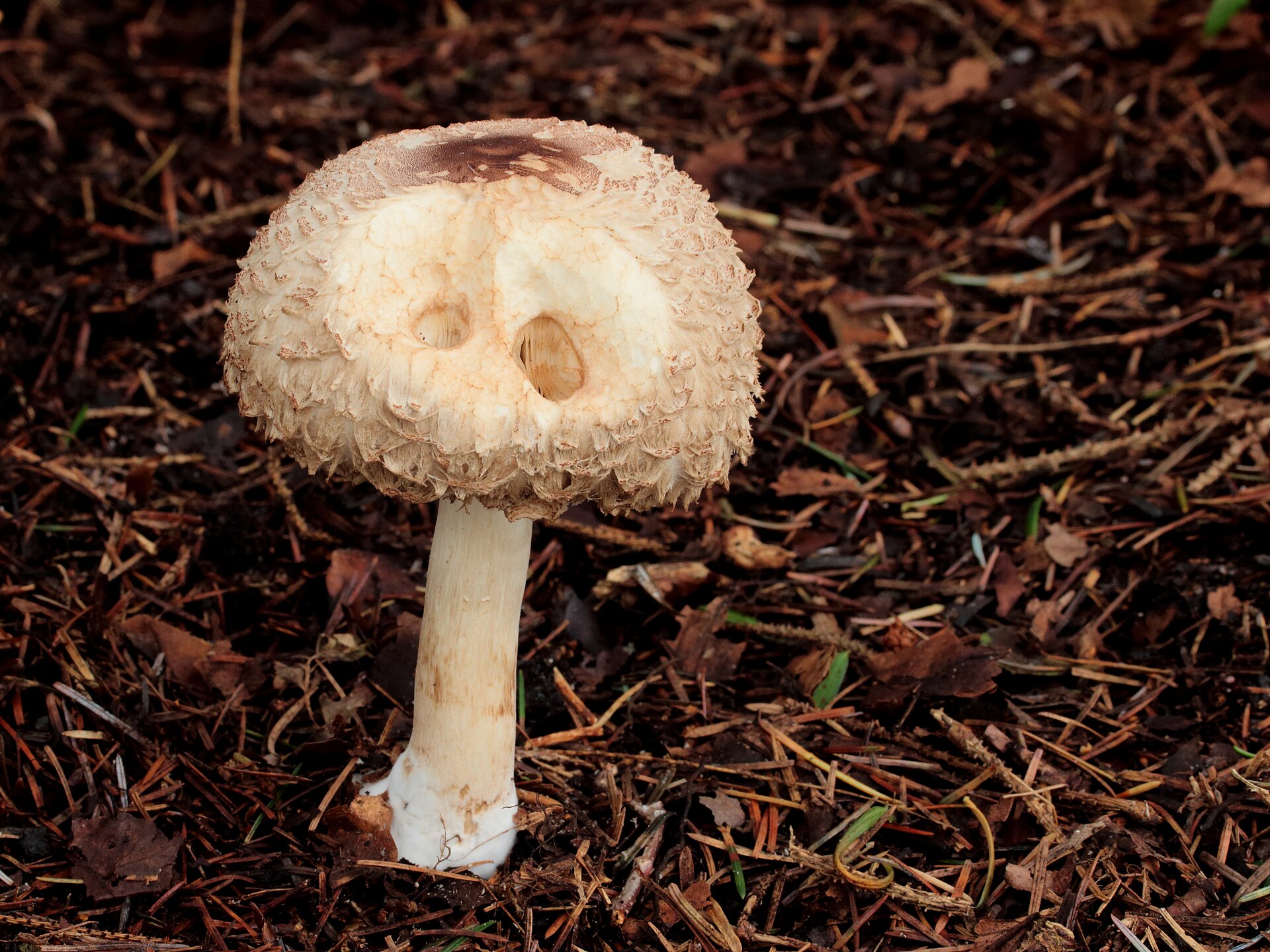
Blushing parasol
Chlorophyllum rhacodes
★★★★★
Weak flavor
Compare several characteristics and always verify the identification.
Read more about Blushing parasol ›Preparation
Use young, healthy specimens. Fry the cap thoroughly; the stem can be tough.
Recipe suggestions
Breaded and butter-fried parasol mushroom with lemon and parsley.
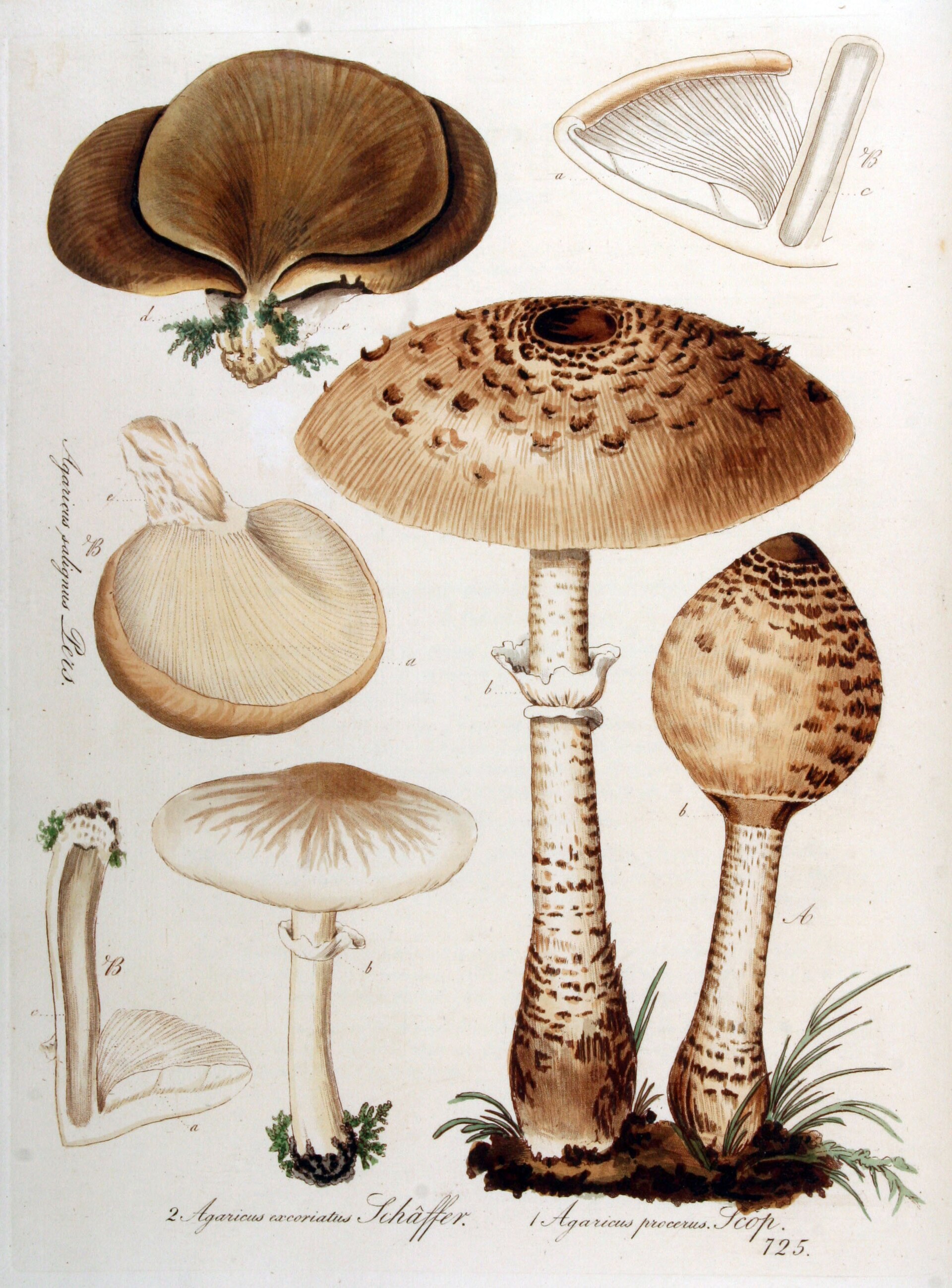
Images – study the mushroom from several angles
Click an image to display it as the main image.
⚠ Important safety information
Parasol mushrooms must be identified with certainty. Confusion with poisonous species is possible; ring, stem base, size and scale pattern should be assessed together.
Parasol mushrooms must be identified with certainty. Confusion with poisonous species is possible; ring, stem base, size and scale pattern should be assessed together.
Facts and sources
Sources
Svampguiden; SLU Artdatabanken/Artfakta
Svampguiden; SLU Artdatabanken/Artfakta
Checked batch 10 – factual text compiled against