



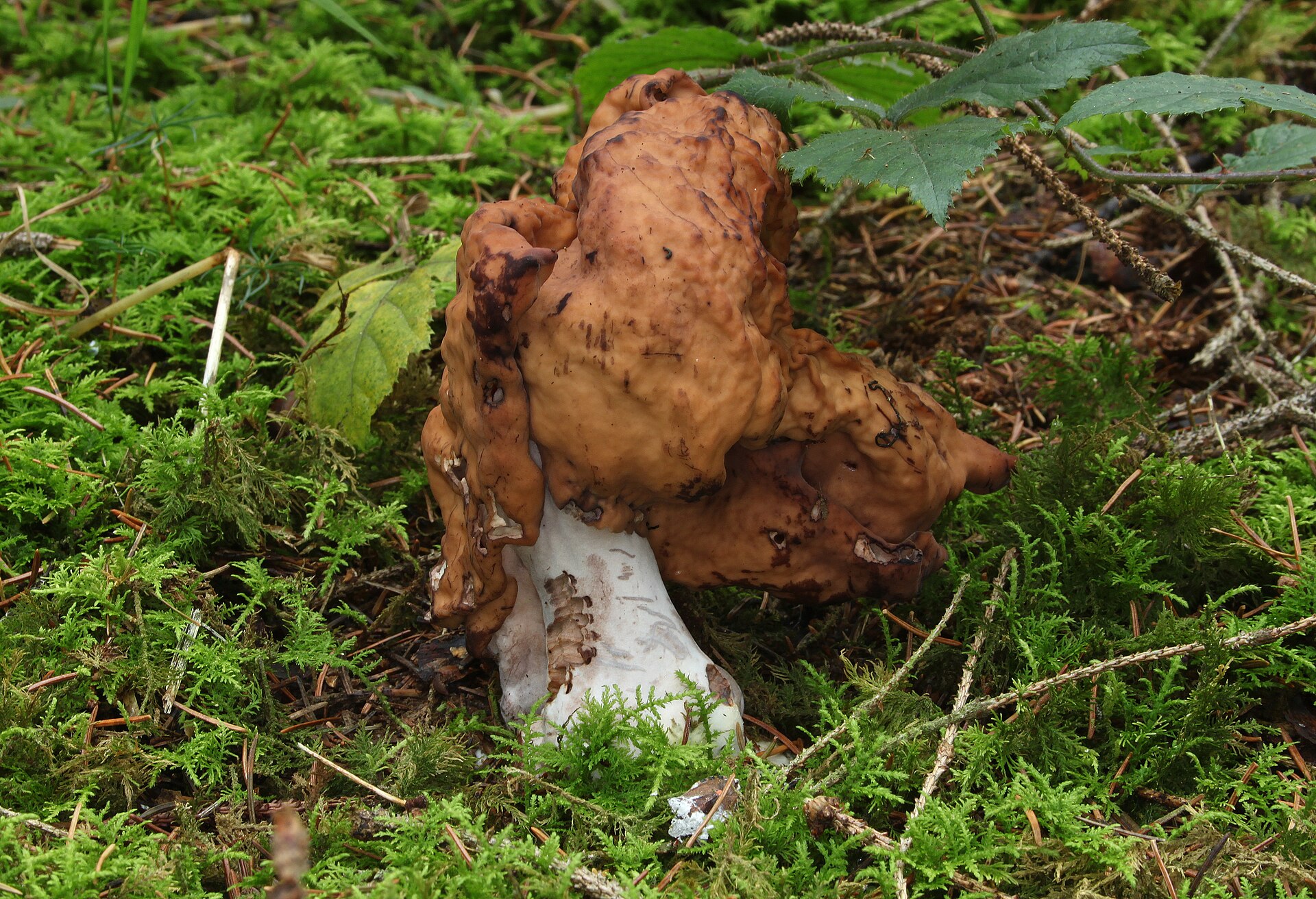
Bell Morel
Gyromitra infula
Inedible
How to identify it
Cap
It grows in coniferous woodland in autumn, often on decaying wood, stumps or disturbed ground.
Underside
The cap consists of two or more upright, irregularly folded lobes and is often reddish brown to dark brown.
Stem
The folded cap surface forms the fertile part of the fruiting body; there are no ordinary gills or tubes.
Smell
The stem is pale to brownish, often grooved and relatively slender.
Occurrence and habitat
Faint to earthy smell.
Look-alike species
These mushrooms can resemble Bell Morel. Look closely at features, habitat and images to see the differences.
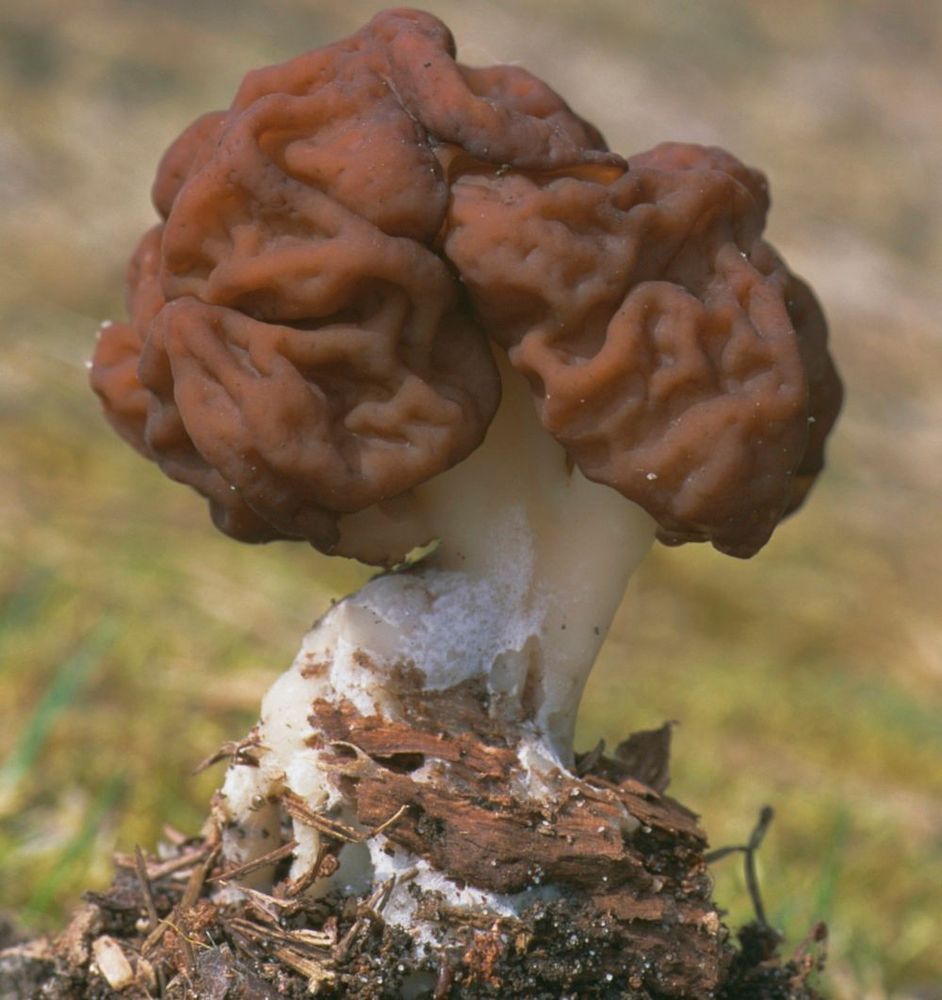
False morel
Gyromitra esculenta
Poisonous
Important characteristics and habitat must be compared when identifying the species.
Read more about False morel ›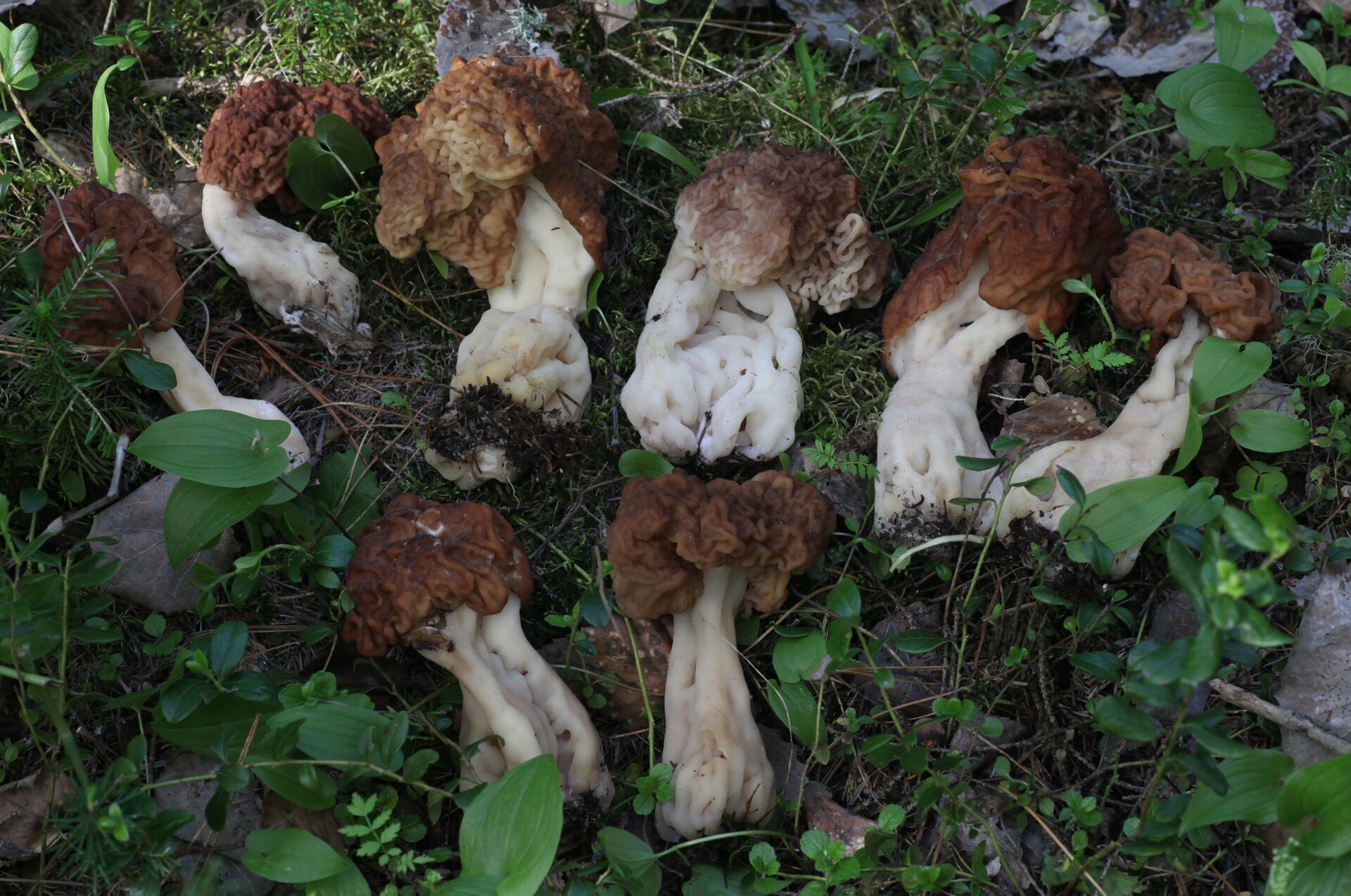
Pale false morel
Gyromitra gigas
Inedible
Important characteristics and habitat must be compared when identifying the species.
Read more about Pale false morel ›Preparation
Must not be used as an edible mushroom.
Recipe suggestions
No dish is recommended.
Images – study the mushroom from several angles
Click an image to display it as the main image.
⚠ Important safety information
The species belongs to the morels and must not be regarded as an edible mushroom. Do not eat specimens you have not identified with certainty.
The species belongs to the morels and must not be regarded as an edible mushroom. Do not eat specimens you have not identified with certainty.
Facts and sources
Sources
SLU Artdatabanken/Artfakta; Svampguiden
SLU Artdatabanken/Artfakta; Svampguiden
Checked batch 08 – factual text compiled against