



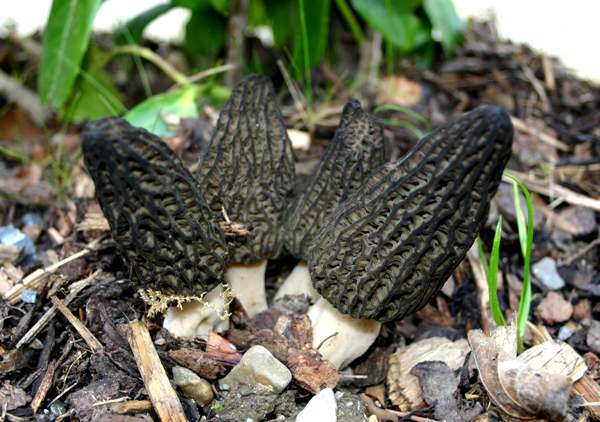
Morel
Morchella esculenta
Edible
★★★☆☆
Taste rating: 3 out of 5
How to identify it
Cap
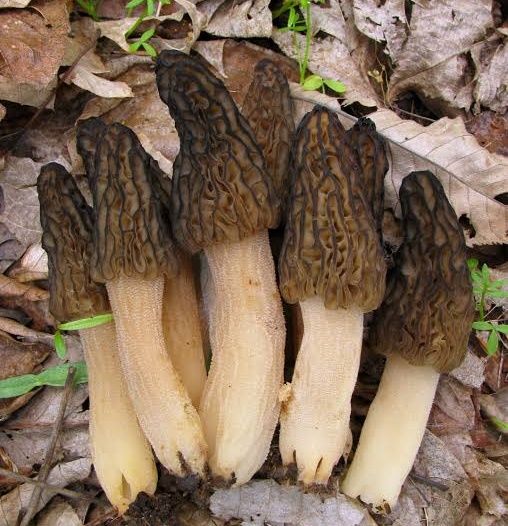
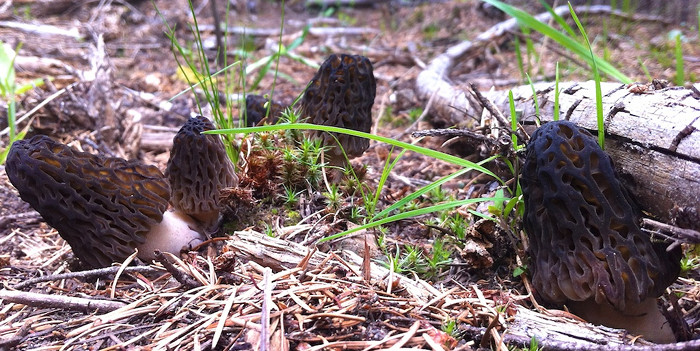
The cap is egg-shaped to conical and covered with distinct ridges forming pits. Colour varies from yellow-brown to brown.
Underside
The pits of the cap are connected by the ridges, forming a distinct net-like pattern.
Stem
The stem is light-coloured, hollow and often somewhat swollen at the base. Cap and stem form one continuous hollow fruiting body.
Smell
Mild and pleasant mushroom smell.
Occurrence and habitat
Grows in spring in deciduous forest, pastures, parks and other nutrient-rich or disturbed habitats.
Look-alike species
These mushrooms can resemble Morel. Look closely at features, habitat and images to see the differences.
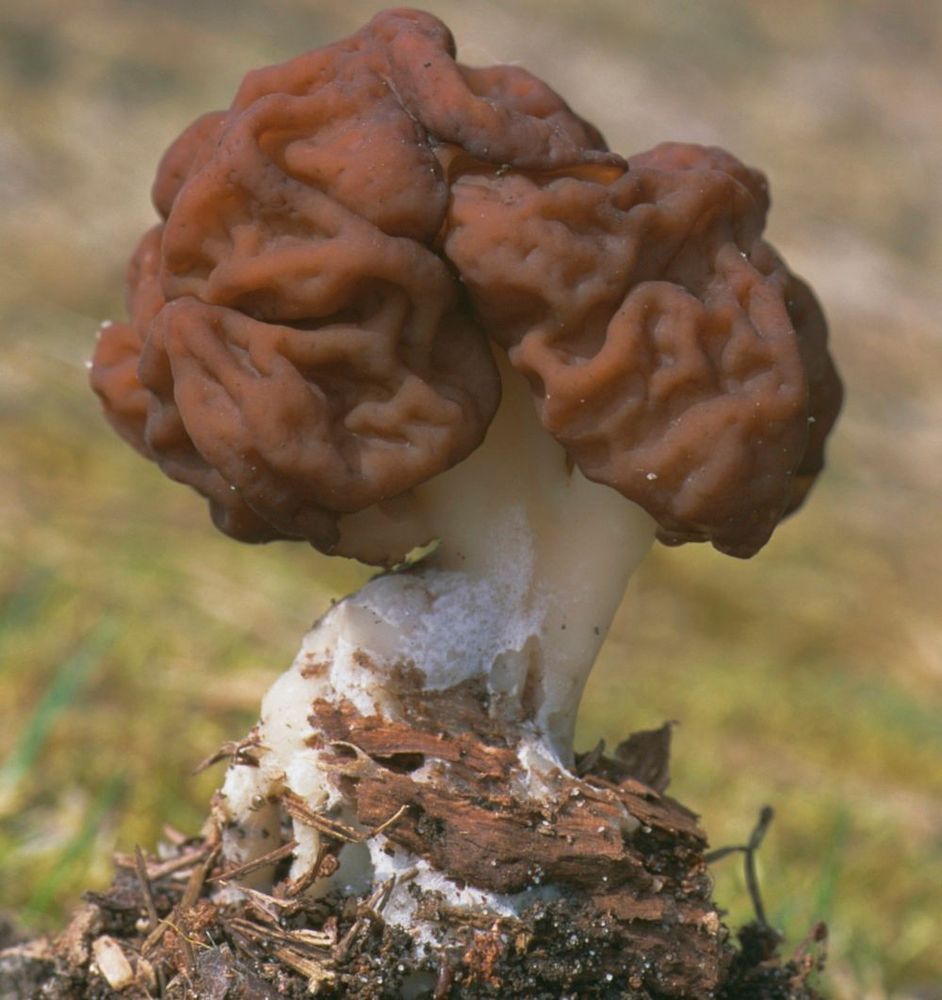
False morel
Gyromitra esculenta
Poisonous
Important characteristics and habitat must be compared when identifying the species.
Read more about False morel ›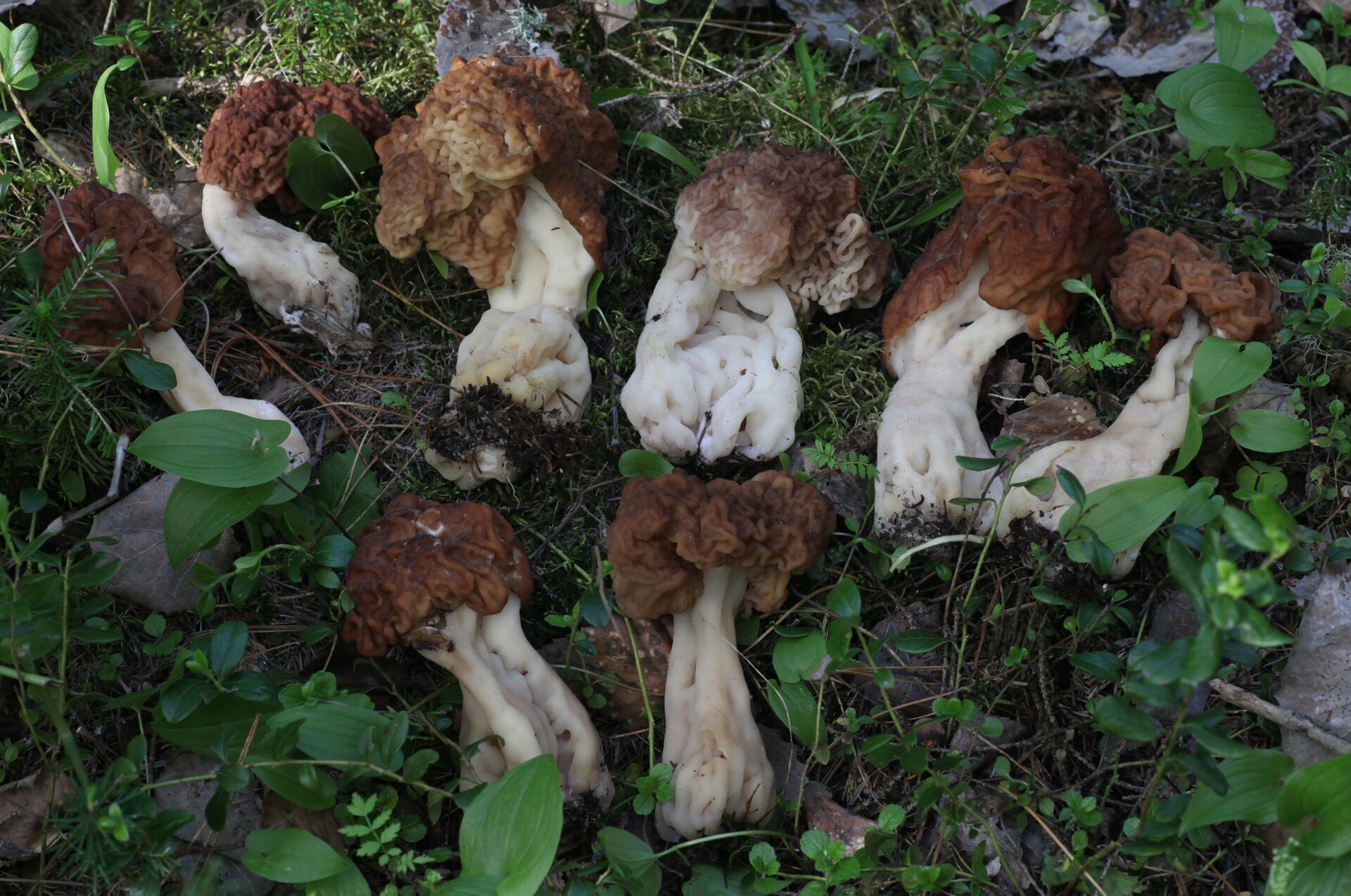
Pale false morel
Gyromitra gigas
Inedible
Important characteristics and habitat must be compared when identifying the species.
Read more about Pale false morel ›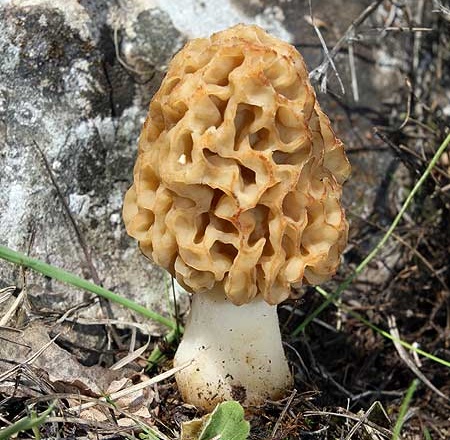
Round morel
Morchella vulgaris
★★★★★
Good edible mushroom
Important characteristics and habitat must be compared when identifying the species.
Read more about Round morel ›Preparation
Eat only after thorough cooking according to current mushroom-guide recommendations. Raw or insufficiently cooked morels should not be eaten.
Recipe suggestions
Parboiled or carefully cooked morel in cream sauce served with toast or pasta.
Images – study the mushroom from several angles
Click an image to display it as the main image.
⚠ Important safety information
Murklor ska inte ätas råa. Säker identifiering är mycket viktig eftersom vissa murklor är giftiga eller olämpliga som matsvamp.
Murklor ska inte ätas råa. Säker identifiering är mycket viktig eftersom vissa murklor är giftiga eller olämpliga som matsvamp.
Facts and sources
Sources
Svampguiden; SLU Artdatabanken/Artfakta
Svampguiden; SLU Artdatabanken/Artfakta
Checked batch 08 – factual text compiled against