



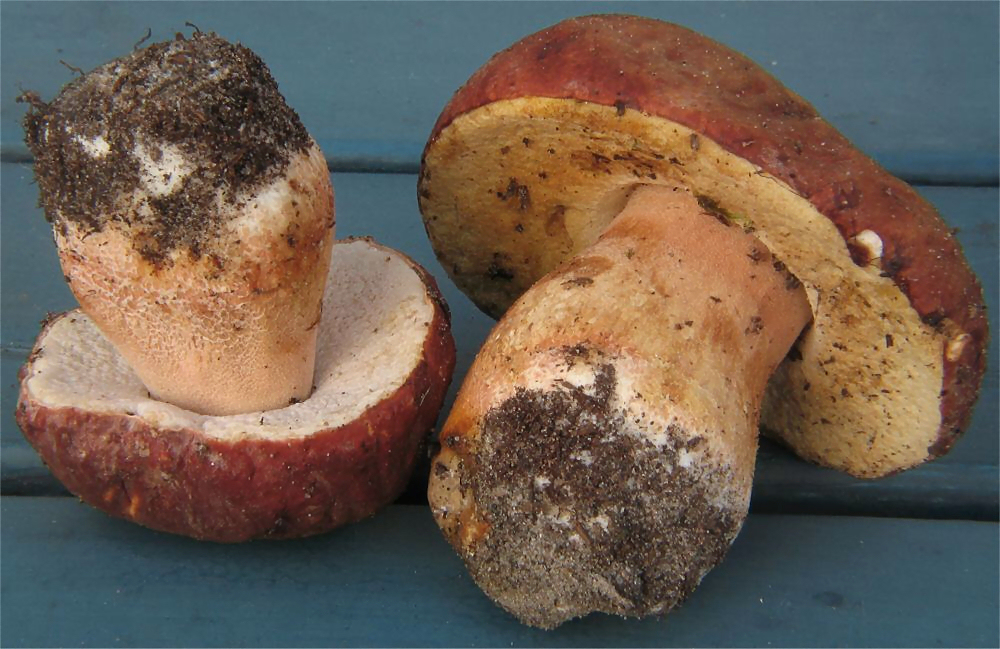
Red-brown Cep
Boletus pinophilus
Edible
★★★★★
Taste rating: 5 out of 5
How to identify it
Cap
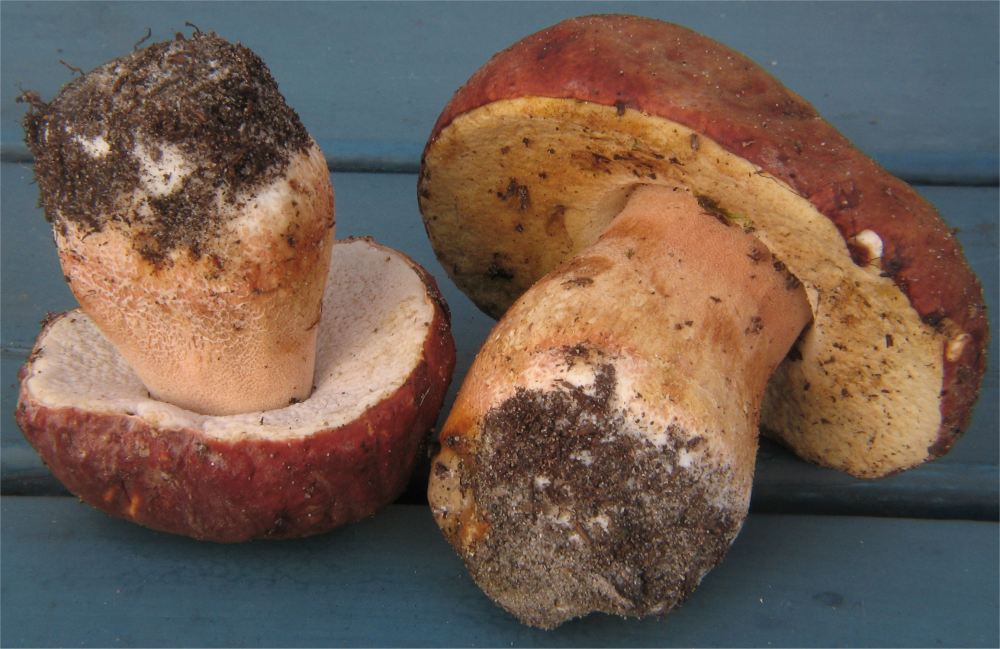
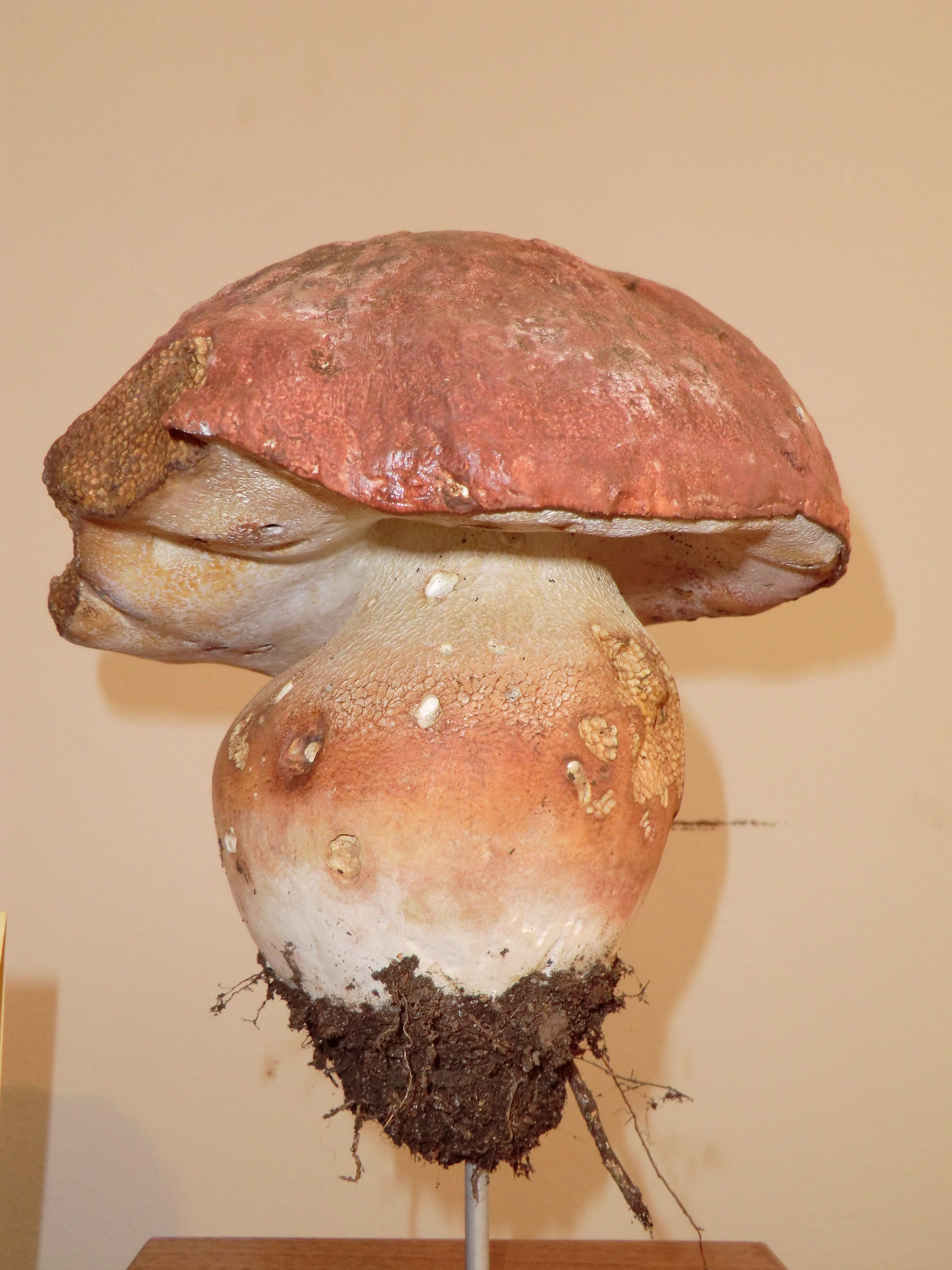
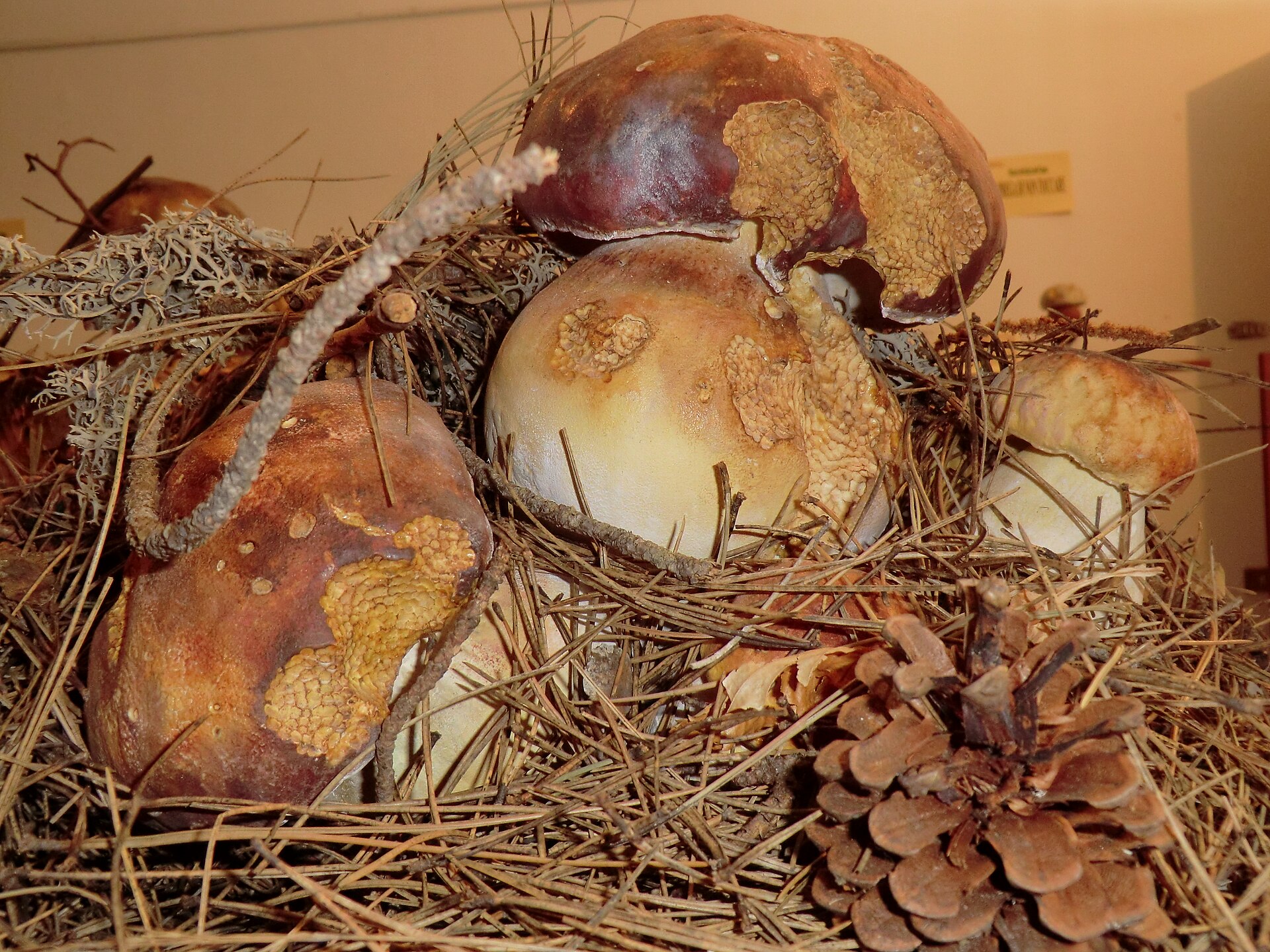
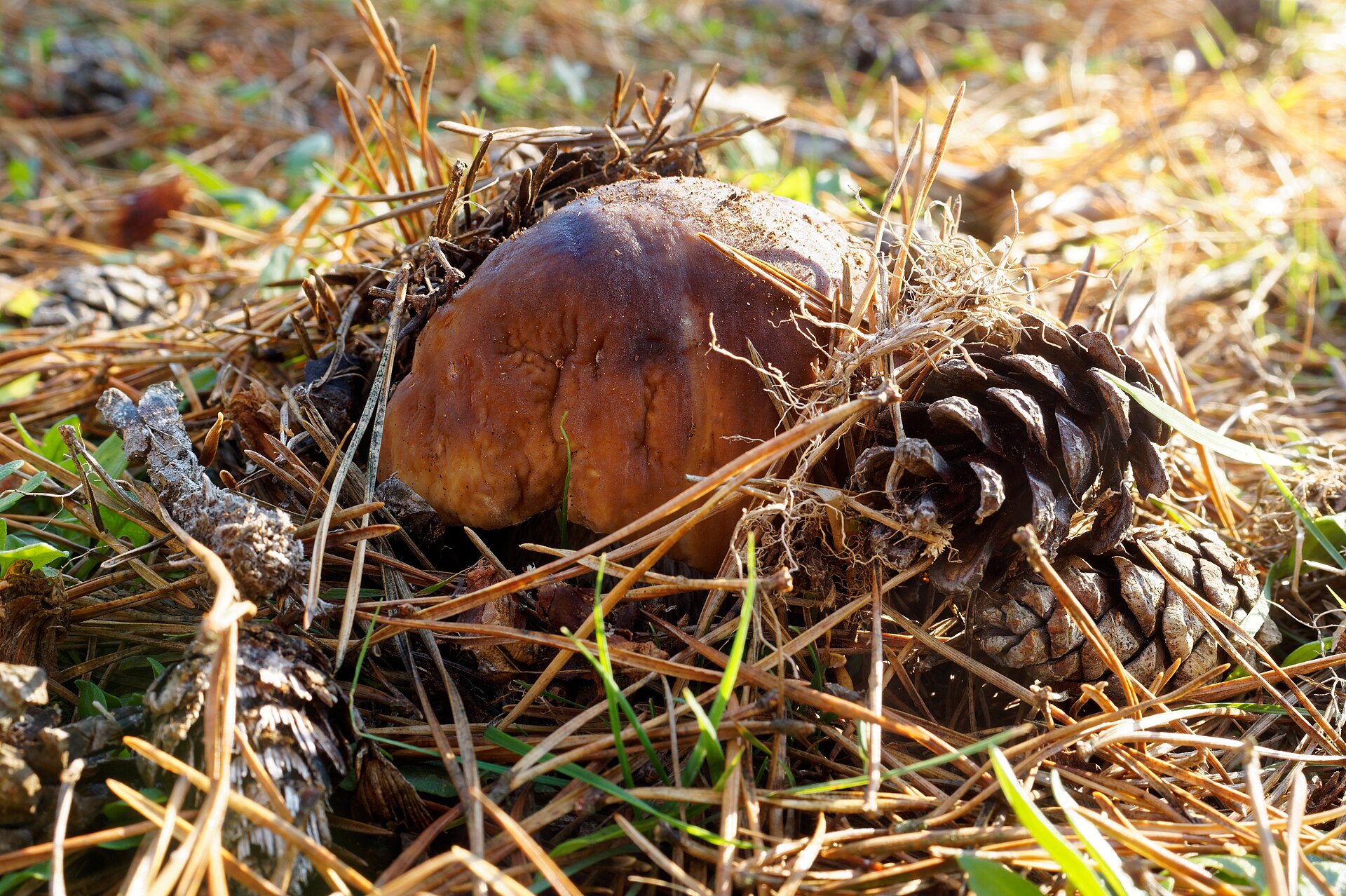
The cap is convex, reddish-brown and often pitted or wrinkled. It can become sticky in wet weather.
Underside
The tubes are white at first and become yellow-green with age. The pore openings may develop a brownish tone.
Stem
The stem is reddish-brown and stout, with a white network that becomes darker reddish-brown lower down.
Smell
Mild and pleasant.
Occurrence and habitat
Grows with pine in coniferous woodland and occurs across large parts of the country.
Look-alike species
These mushrooms can resemble Red-brown Cep. Look closely at features, habitat and images to see the differences.
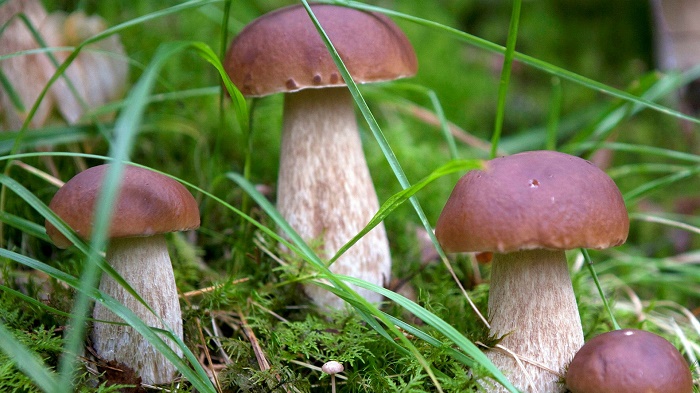
Cep / Penny Bun
Boletus edulis
★★★★★
Excellent edible mushroom
Compare several characteristics and always verify the identification.
Read more about Cep / Penny Bun ›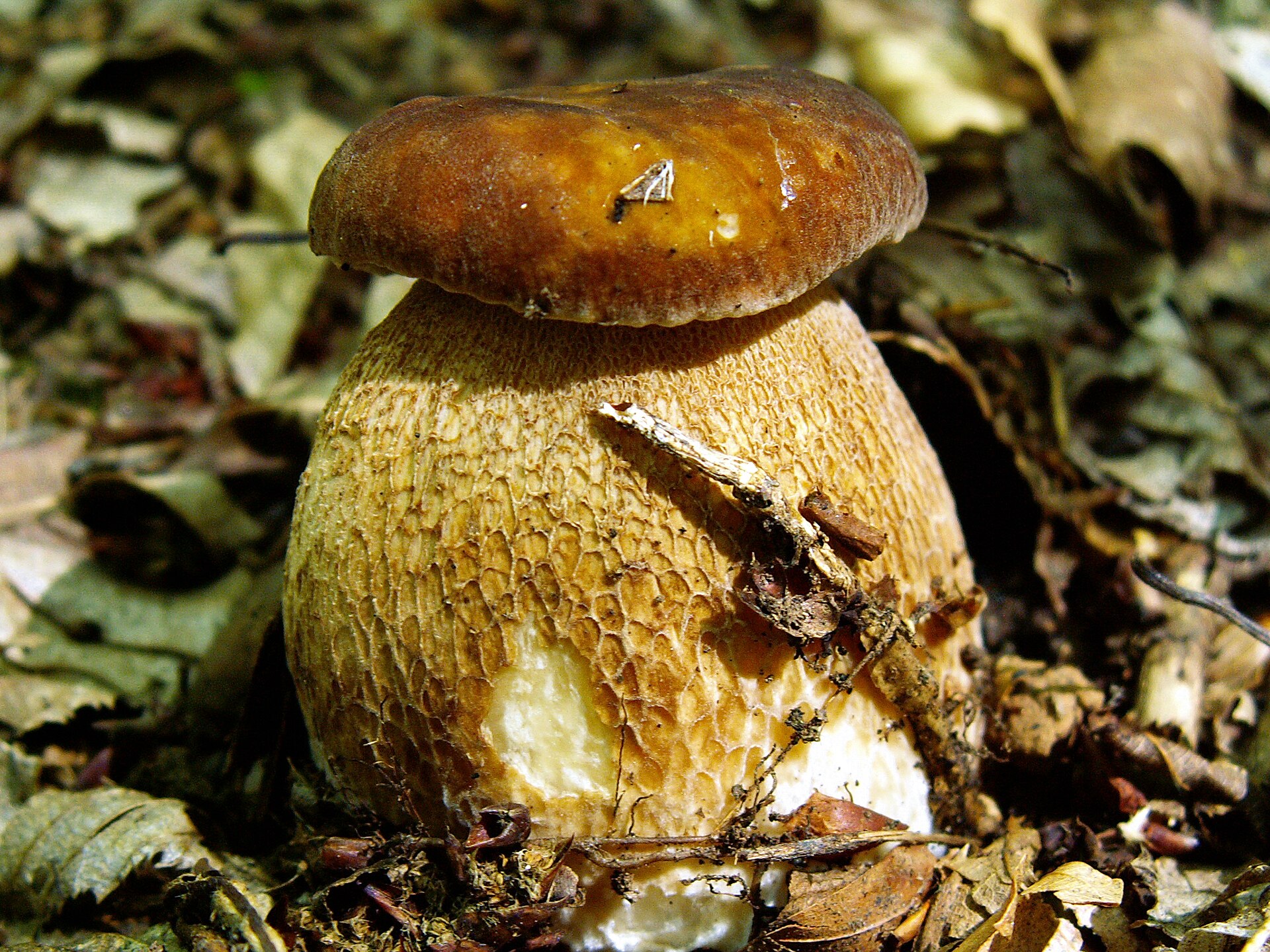
Velvety bolete
Boletus reticulatus
★★★★★
Excellent edible mushroom
Compare several characteristics and always verify the identification.
Read more about Velvety bolete ›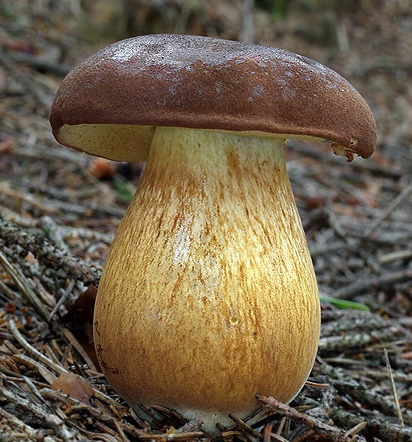
Brown bolete
Imleria badia
★★★★★
Very good edible mushroom
Compare several characteristics and always verify the identification.
Read more about Brown bolete ›Preparation
Prepare like other porcini-type boletes; suitable for frying, sauces, soup and drying.
Recipe suggestions
Fry slices in butter with shallots. Add cream, black pepper and parsley and serve with potatoes.
Images – study the mushroom from several angles
Click an image to display it as the main image.
⚠ Important safety information
The Bitter Bolete is bitter and has a darker stem network. The Penny Bun usually has a lighter cap and stem. Check several characteristics.
The Bitter Bolete is bitter and has a darker stem network. The Penny Bun usually has a lighter cap and stem. Check several characteristics.
Facts and sources
Sources
Svampguiden; SLU Artdatabanken/Artfakta. Fact text compiled for Svampboken.
Svampguiden; SLU Artdatabanken/Artfakta. Fact text compiled for Svampboken.
Checked batch 07 – fact text compiled against